



 Experience Days: Fun for Participants, Unfair for Spectators
Don't let experience day providers spoil your day out! Charging extra for spectators is unfair and leaves friends and family feeling excluded. - [27 February 2023 - 1 comments]
 Depressing news: NHS & rail strikes, cost of living and Ukraine war
It's early December and thoughts of Christmas couldn't be further from my mind, but this isn't a gripe about that, it's the headlines on the news that - [6 December 2022 - 3 comments]
 Selfish workers on strike causing misery for everyone
Pretty much every other day on the news at the moment you hear about another group of workers walking out and going on strike. In my opinion it's a - [28 August 2022 - 8 comments]
 No Freedom Of Choice With Religiously Slaughtered Meat
My issue today is regarding freedom of choice - especially when it comes to food, in particular as to whether you choose RS (religiously slaughtered) - [29 July 2022 - 1 comments]
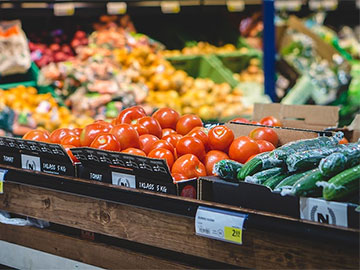 The cost of living in the UK is too high
Everything is now too expensive. Shopping for food at reduction time is the norm and planning meals on what's available rather than what we'd like. - [5 July 2022 - 4 comments]
 Apple Developer Program Membership is a ripoff!
It's that time of year again, time to renew the Apple Developer Program Membership and I still believe we're being ripped off every year. - [20 January 2022 - 2 comments]
 Scotland's rules on alcohol promotions are unfair
I am now officially fed up with alcohol laws in Scotland having noticed an email in my inbox telling me that Green King is giving away free pints of - [2 December 2021 - 1 comments]
 No help from Argos online with Love2Shop gift vouchers
I have tried to use Love2Shop gift cards online with Argos today, but no joy. I have clicked on 'Gift Cards' when trying to pay, but it says there is - [17 August 2021 - 3 comments]
 Pub charged an extra pound for 2 halves instead of a pint
A pint for £4.40 and a pint for £5.40 with the only difference being two glasses instead of one, is that justifiable? - [8 August 2021 - 13 comments]
 How we could live a happy, fulfilling life without a smartphone
Smartphones. Weren't they great at first? Now, the evil soul suckers are literally killing us, tearing society part, destroying mental health and - [14 July 2021 - 15 comments]
 Lidl and budget supermarkets - quantity over quality
Can we stop pretending Lidl and budget supermarkets are decent? What happened to the British? I feel the urge to inject some honesty into this myth. - [12 July 2021 - 10 comments]
 Gangs of antisocial teenagers are out of control
There's a growing and very real problem in this country with teenagers and whilst young people acting out has always happened and is an expected part - [30 April 2021 - 19 comments]